
IRS Impersonation Scams: What to Watch for This Tax Season
Tax season can be a busy and stressful time, and scammers know it. Each year, fraudsters increase efforts to trick taxpayers by posing as the Internal Revenue Service (IRS) through phone calls, texts, emails, and other fraudulent messages.
With reports of more aggressive robocalls and fake IRS communications this season, staying informed is one of the most effective ways to protect your personal and financial information.
What Is an IRS Impersonation Scam?
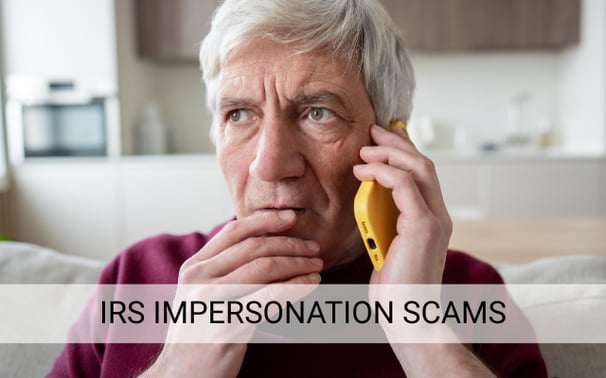
IRS impersonation scams occur when criminals pretend to represent the IRS or the U.S. Treasury in order to steal money or sensitive information.
These scams may involve:
- • Phone calls or robocalls threatening legal action or demanding payment
- • Voicemails claiming you qualify for special tax programs
- • Emails or text messages containing fraudulent links
- • Caller ID spoofing that makes the call appear legitimate
In many cases, scammers create a sense of urgency to pressure you into acting quickly without verifying the message.
Common Red Flags to Watch For
The IRS does not initiate contact by phone, text, email, or social media to request personal or financial information. Official IRS communication typically begins with a mailed letter.
Be cautious if you receive a message that:
• Threatens arrest, fines, or immediate legal action
• Demands payment through gift cards, wire transfers, or cryptocurrency
• Requests personal details such as your Social Security number
• Urges you to click a link or open an attachment
• Claims you must act immediately to avoid penalties
If something feels urgent, aggressive, or unusual, take a moment to pause and verify.
How the IRS Actually Contacts Taxpayers
Understanding how the real IRS operates can help you identify a scam.
The IRS will:
• Typically send a written notice by mail first
• Provide clear instructions and official contact information
• Never demand immediate payment over the phone
• Never ask for payment through gift cards or prepaid debit cards
• Never threaten law enforcement involvement without due process
If you’re unsure whether a communication is legitimate, visit IRS.gov directly by typing the web address into your browser.
How to Protect Yourself During Tax Season
Taking a few simple precautions can significantly reduce your risk.
Avoid Sharing Personal Information
Never provide your Social Security number, bank account details, or tax information to someone who contacts you unexpectedly.
Hang Up and Verify
If you receive a suspicious phone call, hang up. Then look up the official IRS contact number on IRS.gov and call directly to confirm.
Do Not Click Suspicious Links
Avoid clicking links or downloading attachments in unexpected emails or texts. These may lead to fake websites designed to capture your login credentials.
Be Skeptical of Caller ID
Scammers can spoof phone numbers to make them appear legitimate. A familiar number does not guarantee the caller is authentic.
How to Report IRS Impersonation Scams
-
If you receive a suspicious message claiming to be from the IRS or Treasury:
- • Do not reply, click links, or open attachments
- • Forward suspicious emails to phishing@irs.gov
- • Report phone scams to the Treasury Inspector General for Tax Administration (TIGTA)
- • File a report with the Federal Trade Commission at ReportFraud.ftc.gov
Reporting scams helps authorities track fraud trends and protect others.
Stay Alert This Tax Season
IRS impersonation scams are common during tax season, and fraud tactics continue to evolve. Staying aware of how these scams work and knowing how to respond can help protect your personal and financial information.
If you believe you’ve encountered a scam or notice unusual activity on your account, contact Oklahoma Central Credit Union right away. We’re here to help you stay safe and informed.