
Fraud and scams continue to evolve, costing more and more Oklahomans money each year. While scammers often target older adults, the reality is that people of all ages can become victims. Advances in technology have made it easier than ever for criminals to impersonate trusted organizations, create convincing messages, and pressure individuals into making costly mistakes.
The good news is that awareness remains one of the most effective defenses against fraud. By understanding how scams work and recognizing common warning signs, you can better protect yourself, your loved ones, and your finances.
Table of Contents
- Why Scams Are So Effective
- Credit Union Imposter Scams
- Text Message and Email Scams
- Gift Card Scams
- The Grandparent Scam
- Romance Scams
- Common Red Flags of Fraud
- Steps You Can Take to Protect Yourself
- What Your Credit Union Will Never Ask For
- What to Do If You Suspect Fraud
- Remember: Stop. Think. Verify.
- Frequently Asked Questions
Why Scams Are So Effective
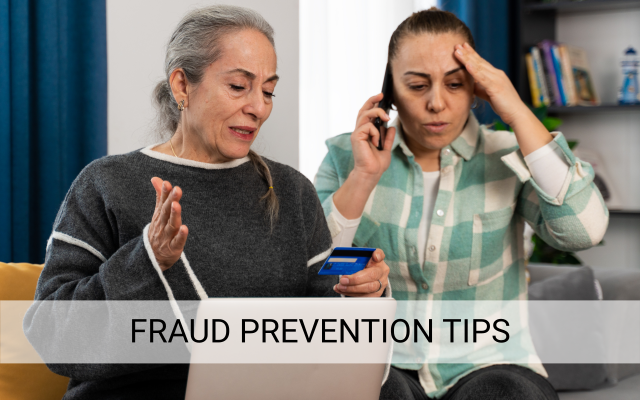 Scammers are experts at manipulating emotions. Rather than relying on sophisticated technology alone, many fraud schemes succeed because they create feelings of fear, excitement, urgency, or trust.
A scammer may claim your account has been compromised, tell you that you've won a prize, pretend to be a loved one in trouble, or pose as a trusted organization. Their goal is to get you to act quickly before you have time to think critically about the situation.
That's why one of the most important fraud prevention strategies is simple: pause before taking action.
Credit Union Imposter Scams
One of the most common scams today involves criminals pretending to be your financial institution.
You may receive a phone call, text message, or email claiming there has been fraud on your account. The scammer may ask you to verify personal information, provide a security code, or move money to a supposedly "safe" account.
These messages often appear legitimate and may even include the name of your credit union.
How to Protect Yourself
- Never share passwords or verification codes.
- Do not provide personal information in response to unexpected calls or texts.
- Hang up and contact your financial institution directly using a trusted phone number.
Remember that legitimate financial institutions will never ask you to move your money to a "safe account."
Text Message and Email Scams
Fraudulent text messages and emails have become increasingly common. These scams often appear as:
- Fraud alerts
- Package delivery notifications
- Account security warnings
- Requests to verify account information
Many of these messages contain links that direct you to fake websites designed to steal usernames, passwords, and other sensitive information.
How to Protect Yourself
Instead of clicking links in unexpected messages, visit the organization's official website directly or call them using a verified phone number.
Gift Card Scams
Gift card scams continue to target consumers across the country.
In these situations, scammers often impersonate government agencies, utility companies, technical support representatives, or even family members. They claim you owe money and insist that payment be made using gift cards.
The Red Flag
Legitimate businesses and government agencies do not accept gift cards as payment. If someone is demanding payment through gift cards, it is almost certainly a scam.
The Grandparent Scam
Older adults are frequently targeted by what's known as the grandparent scam.
A caller pretends to be a grandchild or other family member facing an emergency. They may claim they've been arrested, involved in an accident, or stranded while traveling. The scammer then asks for money immediately and often begs the victim not to tell anyone.
How to Protect Yourself
Before sending money, contact other family members and verify the situation independently. A few minutes of verification can prevent a costly mistake.
Romance Scams
Romance scams typically begin through dating websites, social media platforms, or online communities. The scammer spends weeks or even months building trust before eventually asking for money. They often claim to work overseas, avoid meeting in person, and create emotional stories involving emergencies, travel expenses, or medical bills.
Warning Signs of a Romance Scam
- They profess love unusually quickly.
- They refuse to meet in person.
- Their stories change or seem inconsistent.
- They ask for money.
- They request gift cards, wire transfers, or cryptocurrency.
How to Protect Yourself
Never send money to someone you have not met in person. If something feels suspicious, discuss the situation with a trusted friend, family member, or financial institution.
Common Red Flags of Fraud
Although scams vary, many share the same warning signs.
Watch for:
- Pressure to act immediately
- Requests for secrecy
- Demands for gift cards, wire transfers, or cash
- Requests for passwords or verification codes
- Emotional appeals involving fear, excitement, love, or family emergencies
When you encounter one or more of these warning signs, take extra time to verify the situation.
Steps You Can Take to Protect Yourself
While no one can eliminate fraud risk completely, these habits can significantly reduce your chances of becoming a victim.
Monitor Your Accounts Regularly
Review account activity frequently and report suspicious transactions immediately.
Enable Account Alerts
Transaction alerts can help you identify unauthorized activity quickly.
Use Strong Passwords
Create unique passwords for financial accounts and avoid reusing passwords across multiple websites.
Enable Multi-Factor Authentication
Multi-factor authentication adds an additional layer of protection. Never share authentication or verification codes with anyone.
Verify Before Sending Money
If someone requests money unexpectedly, verify their identity through a trusted source before taking action.
What Your Credit Union Will Never Ask For
It's important to know what legitimate financial institutions will not request.
Your credit union will never ask you to:
- Provide your online banking password
- Share multi-factor authentication codes
- Share verification codes sent to your phone
- Move your money to a "safe account"
If someone requests any of these actions, treat it as a warning sign and contact your financial institution directly.
What to Do If You Suspect Fraud
If you believe you've been targeted by a scam or have shared information with a fraudster:
- Contact your financial institution immediately.
- Change affected passwords.
- Monitor your accounts closely.
- Report the scam to the Federal Trade Commission at FTC.gov.
- Continue monitoring your credit and financial accounts for unusual activity.
The sooner you act, the greater the chance of limiting potential losses.
Remember: Stop. Think. Verify.
Fraudsters succeed when they create urgency and emotion. Before sending money, sharing information, or clicking a link, take a moment to stop, think, and verify.
A few extra minutes could save you from financial loss and identity theft.
Frequently Asked Questions
What is the most common scam affecting consumers today?
Financial institution impersonation scams, phishing texts, gift card scams, and online fraud schemes are among the most common scams reported today.
How can I tell if a text message is a scam?
Be cautious of unexpected messages that contain links, ask for personal information, create urgency, or direct you to call unfamiliar phone numbers.
Will my credit union ever ask me to move money to a safe account?
No. Legitimate financial institutions do not ask members to move money to another account for protection purposes.
Are older adults the only people targeted by scammers?
No. Scammers target people of all ages. While some scams are designed specifically for seniors, many fraud schemes target consumers regardless of age.
What should I do if I accidentally share information with a scammer?
Contact your financial institution immediately, change any affected passwords, monitor your accounts, and report the incident as soon as possible.
Who should I contact if I have concerns about fraud on my account?
If you notice suspicious activity or have concerns about a potential scam, contact Oklahoma Central Credit Union immediately. Our team can help review your situation, secure your accounts, and provide guidance on next steps.