
Replacing or repairing your home’s HVAC system can be one of the largest unexpected expenses homeowners face. Whether your air conditioner stops working during a Tulsa summer or your furnace fails in the middle of winter, HVAC problems often require fast decisions and significant costs.
Because heating and cooling systems can cost thousands of dollars, many homeowners look into HVAC financing to spread payments out over time rather than paying the full amount up front.
If you’re wondering how HVAC financing works, what options are available, and whether financing is the right fit for your situation, this guide will walk you through the basics.
Table of Contents
- What Is HVAC Financing?
- Why HVAC Systems Can Be Expensive
- How Does HVAC Financing Work?
- Common Types of HVAC Financing
- What Credit Score Is Needed for HVAC Financing?
- Should You Finance HVAC Repairs or Replacement?
- Benefits of HVAC Financing
- Potential Drawbacks of HVAC Financing
- Tips Before Applying for HVAC Financing
- How Credit Unions Can Help With HVAC Financing
- Frequently Asked Questions About HVAC Financing
- Looking for HVAC Financing in Tulsa?
What Is HVAC Financing?
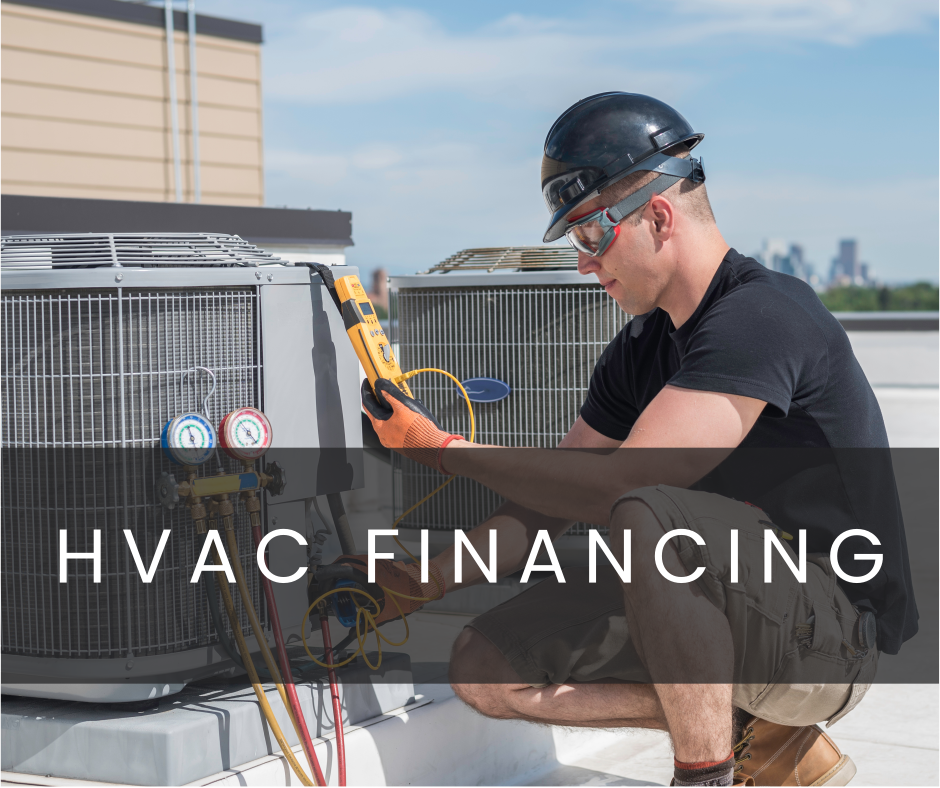 HVAC financing allows homeowners to borrow money to pay for heating, ventilation, and air conditioning system repairs, replacements, or installations. Instead of paying the entire cost upfront, financing breaks the expense into manageable monthly payments over a set period of time. HVAC financing may be used for:
- Air conditioner replacement
- Furnace replacement
- Heat pump installation
- HVAC repairs
- New ductwork
- Energy-efficient system upgrades
- Full heating and cooling system installations
For many Oklahoma homeowners, financing can make it easier to handle urgent HVAC needs without draining savings or relying heavily on high-interest credit cards.
Why HVAC Systems Can Be Expensive
HVAC systems are one of the most important systems in your home, but they’re also one of the most costly to repair or replace. Several factors impact HVAC pricing, including:
- Size of the home
- Type of system
- Energy efficiency rating
- Installation complexity
- Labor costs
In Oklahoma, where summer temperatures can become extreme, homeowners often rely heavily on air conditioning systems for comfort and safety. Delaying repairs or replacement can sometimes lead to higher utility costs, reduced efficiency, or additional damage.
How Does HVAC Financing Work?
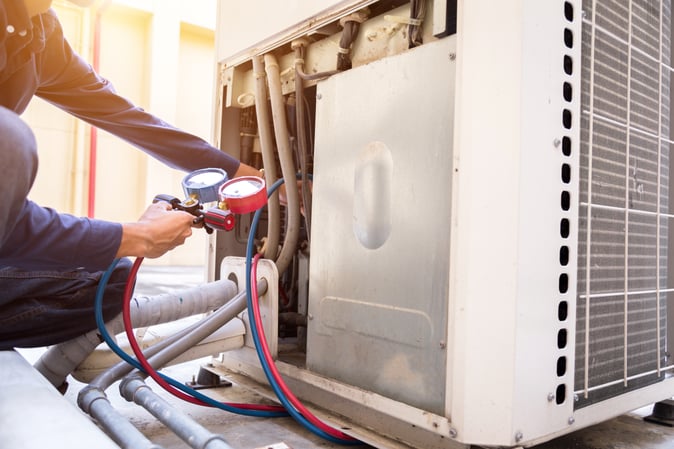 HVAC financing works similarly to other types of installment loans. Once approved, the lender pays the contractor or provides funds for the HVAC project. The borrower then repays the loan through fixed monthly payments over a predetermined loan term. Loan terms may vary depending on:
- The lender
- Loan amount
- Credit score
- Interest rate
- Type of financing
Some financing options offer:
- Fixed interest rates
- Promotional financing periods
- Deferred payments
- Short-term or long-term repayment options
Monthly payments are generally determined by the total loan amount, interest rate, and repayment period.
Common Types of HVAC Financing
There are several ways homeowners can finance HVAC repairs or replacements. Each option has advantages and disadvantages depending on your financial situation.
Personal Loans for HVAC Financing
One of the most common HVAC financing options is a personal loan. Personal loans provide a lump sum of money that can be used for home improvement expenses, including HVAC systems.
Personal loans may offer:
- Fixed monthly payments
- Predictable interest rates
- Fast funding
- Flexible repayment terms
- No collateral requirements in many cases
Many homeowners prefer personal loans because they can compare rates and terms from banks, credit unions, and online lenders.
Contractor Financing Programs
Some HVAC companies partner with lenders to offer financing directly through the contractor. This may allow homeowners to:
- Apply during the estimate process
- Access promotional offers
- Bundle financing with installation
However, promotional financing terms should be reviewed carefully, especially if deferred interest is involved.
Credit Cards
Some homeowners use credit cards to cover HVAC expenses, particularly for smaller repairs. This may make sense if:
- You qualify for a low-interest or promotional APR offer
- You can pay the balance off quickly
However, credit cards often carry higher interest rates than installment loans, which can make large HVAC purchases more expensive over time.
Home Equity Loans or HELOCs
Homeowners with sufficient equity may consider home equity loans or home equity lines of credit (HELOCs). These financing options may offer lower interest rates because they are secured by your home. However, they also involve more risk since your home serves as collateral.
What Credit Score Is Needed for HVAC Financing?
Credit requirements vary by lender and financing type. In general:
- Higher credit scores may qualify for lower interest rates
- Lower credit scores may result in higher monthly payments or fewer financing options
Some lenders may still offer HVAC financing for borrowers with less-than-perfect credit, though terms may differ. When applying, lenders often review your credit score, income, employment history and existing financial obligations.
Should You Finance HVAC Repairs or Replacement?
Financing can make sense in several situations, especially when HVAC problems are urgent or unavoidable.
Financing May Be Helpful If:
- Your HVAC system fails unexpectedly
- You need immediate repairs during extreme weather
- Replacing the system improves energy efficiency
- You want to avoid draining emergency savings
- Monthly payments fit comfortably within your budget
However, financing should always be approached carefully to avoid taking on more debt than you can realistically manage.
Benefits of HVAC Financing
HVAC financing offers several advantages for homeowners.
- Immediate Access to Repairs or Replacement: Heating and cooling problems usually can’t wait for months while you save money. Financing allows homeowners to restore comfort and safety quickly.
- More Predictable Budgeting: Instead of one large expense, financing spreads the cost into fixed monthly payments that may be easier to manage.
- Opportunity for Energy Efficiency Upgrades: New HVAC systems are often more energy efficient than older systems. In some cases, lower energy bills may help offset part of the monthly financing payment over time.
- Preserving Emergency Savings: Financing may help homeowners keep emergency funds available for other unexpected expenses.
Potential Drawbacks of HVAC Financing
While financing can help make HVAC projects more manageable, it’s important to consider the downsides as well.
- Interest Costs: Depending on the loan terms and interest rate, financing may increase the total amount paid over time.
- Monthly Debt Obligations: Adding another monthly payment can impact your overall budget and financial flexibility.
- Risk of Overspending: Some homeowners may choose larger or more expensive systems simply because financing is available. It’s important to select a system and payment plan that fits your actual needs and budget.
Tips Before Applying for HVAC Financing
Before committing to financing, consider these steps:
Compare Multiple Estimates
Get quotes from multiple HVAC contractors to compare pricing, warranties, and installation details.
Review Loan Terms Carefully
.jpeg?width=745&height=497&name=AdobeStock_1840110196%20(1).jpeg) Pay close attention to:
Pay close attention to:
- Interest rates
- Loan terms
- Monthly payments
- Fees
- Promotional financing conditions
Understand Your Budget
Make sure the monthly payment fits comfortably within your existing financial obligations.
Check for Energy Rebates or Incentives
Some utility companies, manufacturers, or government programs may offer rebates for energy-efficient HVAC systems. These incentives may help reduce your overall project cost.
How Credit Unions Can Help With HVAC Financing
Many homeowners choose credit unions for financing because they often provide competitive rates, personalized services, flexible lending options, and local decision-making.
A personal loan from a credit union may be a useful option for homeowners looking to finance HVAC repairs or replacements while keeping payments manageable. Working with a local financial institution may also make it easier to discuss your financial goals and borrowing needs with someone who understands your situation.
Frequently Asked Questions About HVAC Financing
Can you finance a new HVAC system?
Yes. Many homeowners finance new HVAC systems through personal loans, contractor financing programs, credit cards, or home equity products. Financing allows you to spread the cost of the system into manageable monthly payments instead of paying the full amount up front.
What credit score is needed for HVAC financing?
Credit score requirements vary by lender, but higher credit scores may help you qualify for lower interest rates and better loan terms. Some lenders and credit unions may still offer financing options for borrowers with less-than-perfect credit.
Is HVAC financing a good idea?
HVAC financing can be a good option if you need urgent repairs or replacement and want to avoid draining your savings. The key is making sure the monthly payment fits comfortably within your budget and understanding the loan terms before borrowing.
How long can you finance an HVAC system?
HVAC financing terms can vary depending on the lender and loan type. Some financing options may offer repayment terms ranging from a few months to several years, depending on the size of the project and your financial qualifications.
Looking for HVAC Financing in Tulsa?
At Oklahoma Central Credit Union, we understand that unexpected home expenses can happen at any time. Whether you’re upgrading an older HVAC system or handling an urgent repair, our team can help you explore financing options designed to fit your budget and financial goals.
Need HVAC financing to keep your home comfortable? View current HVAC loan rates.