
Financial challenges can happen to anyone. Whether you're dealing with rising expenses, unexpected emergencies, debt, or trouble sticking to a budget, it’s easy to feel overwhelmed when your finances don’t seem to be working in your favor.
The good news is that many common financial problems have practical solutions. Small changes in your habits, budgeting strategies, and financial tools can make a major difference over time.
If you’re trying to improve your financial health in Tulsa or anywhere in Oklahoma, understanding how to tackle these challenges can help you build confidence and create a stronger financial future. Here are 10 common financial challenges and solutions that may help you regain control of your money.
Table of Contents
- Living Paycheck to Paycheck
- Not Having an Emergency Fund
- Carrying High Credit Card Debt
- Struggling With Overspending
- Having Trouble Saving for Major Goals
- Dealing With Poor Credit
- Managing Rising Living Costs
- Feeling Unprepared for Retirement
- Handling Unexpected Medical Expenses
- Not Knowing Where to Start
- How Credit Unions Can Help with Financial Challenges
- Frequently Asked Questions About Financial Challenges
- Looking for Financial Guidance in Tulsa?
1. Living Paycheck to Paycheck
One of the most common financial struggles is feeling like your entire paycheck disappears as soon as it arrives. When you’re living paycheck to paycheck, it can be difficult to save money, handle emergencies, and pay down debt.
Solution: Create a Realistic Monthly Budget
 A budget helps you understand exactly where your money is going each month. Start by tracking:
- Income
- Fixed expenses
- Variable spending
- Debt payments
- Savings contributions
Many people find success using budgeting methods like:
Using digital banking tools or money management apps can also help you monitor spending in real time. Even small adjustments, like reducing dining out or canceling unused subscriptions, can free up extra money each month. If online budgeting tools alone aren't your thing, free in-person financial counseling can help.
2. Not Having an Emergency Fund
Unexpected expenses happen. Car repairs, medical bills, home maintenance, and other emergencies can quickly disrupt your finances if you don’t have savings set aside. Without an emergency fund, many people rely on credit cards or loans to cover surprise expenses.
Solution: Start Small and Build Consistently
Building an emergency fund doesn’t happen overnight. Start with a manageable goal, such as $500, one month of expenses, or three to six months of expenses over time. Setting up automatic transfers into a savings account can make saving easier and more consistent. Even saving a small amount from every paycheck can add up faster than you think.
3. Carrying High Credit Card Debt
Credit card debt can become stressful quickly, especially when high interest rates make balances difficult to pay off. Large balances can also affect your:
- Monthly cash flow
- Credit score
- Financial flexibility
Solution: Focus on a Debt Payoff Strategy
Two popular debt repayment methods include:
The Snowball Method
Pay off your smallest balances first to build momentum and motivation.
The Avalanche Method
Pay off debts with the highest interest rates first to save more money long term.
You may also want to explore:
- Balance transfers
- Debt consolidation loans
- Lower-interest personal loans
Making more than the minimum payment whenever possible can significantly reduce the amount of interest you pay over time.
4. Struggling With Overspending
Impulse purchases and unnecessary spending can quietly drain your finances. Online shopping, food delivery apps, subscriptions, and social media advertising can make it easier than ever to spend money without realizing how much adds up.
Solution: Track Spending Habits
The first step toward reducing overspending is awareness. Review your recent transactions and identify patterns like:
- Frequent takeout purchases
- Unused subscriptions
- Impulse shopping
- Convenience spending
Try strategies like:
- Waiting 24 hours before making non-essential purchases
- Setting spending limits
- Using separate accounts for bills and spending money
Some people also prefer using debit cards for everyday purchases because it can help limit spending to the money currently available in their account.
5. Having Trouble Saving for Major Goals
Buying a car, purchasing a home, taking a vacation, or preparing for retirement can feel impossible without a savings strategy. Many people struggle because large financial goals seem overwhelming.
Solution: Break Goals Into Smaller Steps
Instead of focusing on a large number all at once, break your savings goals into monthly or weekly targets. For example:
- Saving $5,000 over two years equals about $209 per month
- Saving for a down payment becomes easier when automated
Opening separate savings accounts for different goals can also help keep you organized and motivated.
6. Dealing With Poor Credit
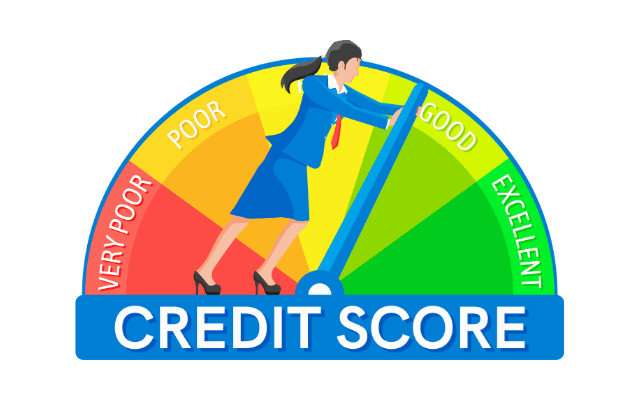 A low credit score can make it harder to qualify for loans, rent apartments, or receive favorable interest rates. Common causes of poor credit include:
- Late payments
- High credit utilization
- Collection accounts
- Limited credit history
Solution: Build Better Credit Habits
Improving your credit score takes time, but consistent habits can help. Focus on:
- Paying bills on time
- Keeping credit card balances low
- Avoiding unnecessary hard inquiries
- Reviewing your credit report for errors
If you’re just starting out, secured credit cards or credit-builder products may help establish positive payment history.
7. Managing Rising Living Costs
Inflation and rising prices can make everyday essentials more expensive, including groceries, gas, housing, utilities, and insurance. Many Oklahoma families have felt the impact of increasing costs over the last several years.
Solution: Reevaluate Monthly Expenses
Take a close look at your recurring expenses and identify opportunities to reduce costs. You may be able to:
- Refinance existing loans
- Shop around for insurance
- Reduce energy usage
- Consolidate subscriptions
- Meal plan more effectively
Even moderate savings in several categories can improve your monthly cash flow.
8. Feeling Unprepared for Retirement
Retirement can seem far away, especially for younger adults, but waiting too long to save can make retirement planning more difficult later.
Solution: Start Investing Early
One of the biggest advantages in retirement saving is time. Even modest contributions can grow significantly thanks to compound interest. Consider contributing to accounts such as 401(k)s, IRAs, and Roth IRAs. If your employer offers matching retirement contributions, try to contribute enough to receive the full match whenever possible.
9. Handling Unexpected Medical Expenses
Healthcare expenses can create major financial strain, especially after emergencies or unexpected diagnoses. Medical debt is one of the leading causes of financial stress for many Americans.
Solution: Prepare Ahead When Possible
Health savings strategies may include:
- Building emergency savings
- Using Health Savings Accounts (HSAs)
- Reviewing insurance coverage carefully
- Negotiating medical bills or payment plans
Having even a small financial cushion can reduce stress when unexpected expenses arise.
10. Not Knowing Where to Start
Sometimes the biggest financial challenge is simply feeling overwhelmed. When you’re facing multiple financial problems at once, it can be difficult to know what to prioritize first.
Solution: Focus on One Step at a Time
Improving your financial situation doesn’t require perfection overnight. Start with small, achievable actions like:
- Creating a basic budget
- Paying one debt down
- Saving your first $100
- Reviewing your monthly expenses
- Setting one financial goal
Progress happens gradually, and consistency often matters more than speed.
If you're not sure where to begin, there are tons of free learning modules through our financial capability center that teach the basics of budgeting, saving for retirement, and more.
How Credit Unions Can Help with Financial Challenges
Because credit unions are member-focused organizations, they often prioritize personalized service and long-term financial wellness. Credit unions often provide tools and services designed to support members through different financial situations. Depending on your needs, this may include:
-
- Lower-fee checking accounts
- Savings tools
- Financial counseling
- Debt consolidation loans
- Auto refinancing
- Credit-building products
- Mobile banking and budgeting tools
Oklahoma Central Credit Union provides all these features and more, such as free-to-watch educational webinars.
Frequently Asked Questions About Financial Challenges
What is the best way to start improving my finances?
The best way to start improving your finances is by creating a simple budget and tracking your spending. Understanding where your money goes each month can help you identify areas to save, reduce debt, and build healthier financial habits over time.
How much money should I keep in an emergency fund?
Many financial experts recommend saving at least three to six months’ worth of expenses in an emergency fund. However, starting with a smaller goal like $500 or $1,000 can still help cover unexpected expenses and reduce financial stress.
Can a credit union help me improve my financial situation?
Yes. Many credit unions offer tools and resources designed to help members manage their finances, including savings accounts, budgeting tools, debt consolidation options, and financial counseling services.
What should I prioritize first: saving money or paying off debt?
The answer depends on your financial situation, but many people benefit from doing both at the same time. Building a small emergency fund while making consistent debt payments can help create more financial stability and reduce reliance on credit during emergencies.
Can OCCU help me with my financial challenges?
OCCU has tons of excellent free resources to get your finances back on track, such as free financial counseling, a library of financial education learning modules, and webinars to save and watch any time.
Looking for Financial Guidance in Tulsa?
At Oklahoma Central Credit Union, we believe financial wellness starts with having the right support behind you. That’s why our team includes FiCEP-certified employees who are trained to provide free financial counseling and guidance to our members. Whether you’re working on budgeting, managing debt, improving your credit, or planning for future financial goals, our team is here to help you navigate your financial journey with confidence.